Students are at the heart of education — and their voices matter.
In arts education, student voice provides insight into how creative learning experiences shape confidence, connection, and engagement. By creating opportunities for students to share their perspectives, arts education advocacy becomes more authentic, informed, and meaningful.

The Role of Student Voice in Advocacy
Arts education advocacy is strongest when it reflects real classroom experiences. Student voices help illustrate:
- How arts education supports learning and engagement
- Why creative opportunities matter to students
- How arts programs contribute to school culture and wellbeing
When students share their stories, policymakers and community members gain a clearer understanding of the value of arts education beyond test scores or budgets.
What Is Student Voice?
learning. In arts education, this might include:
- Reflecting on creative projects
- Sharing artwork or performances
- Speaking about how arts learning impacts their school experience
- Participating in advocacy and community events
These experiences allow students to see themselves as active participants in their education and their communities.

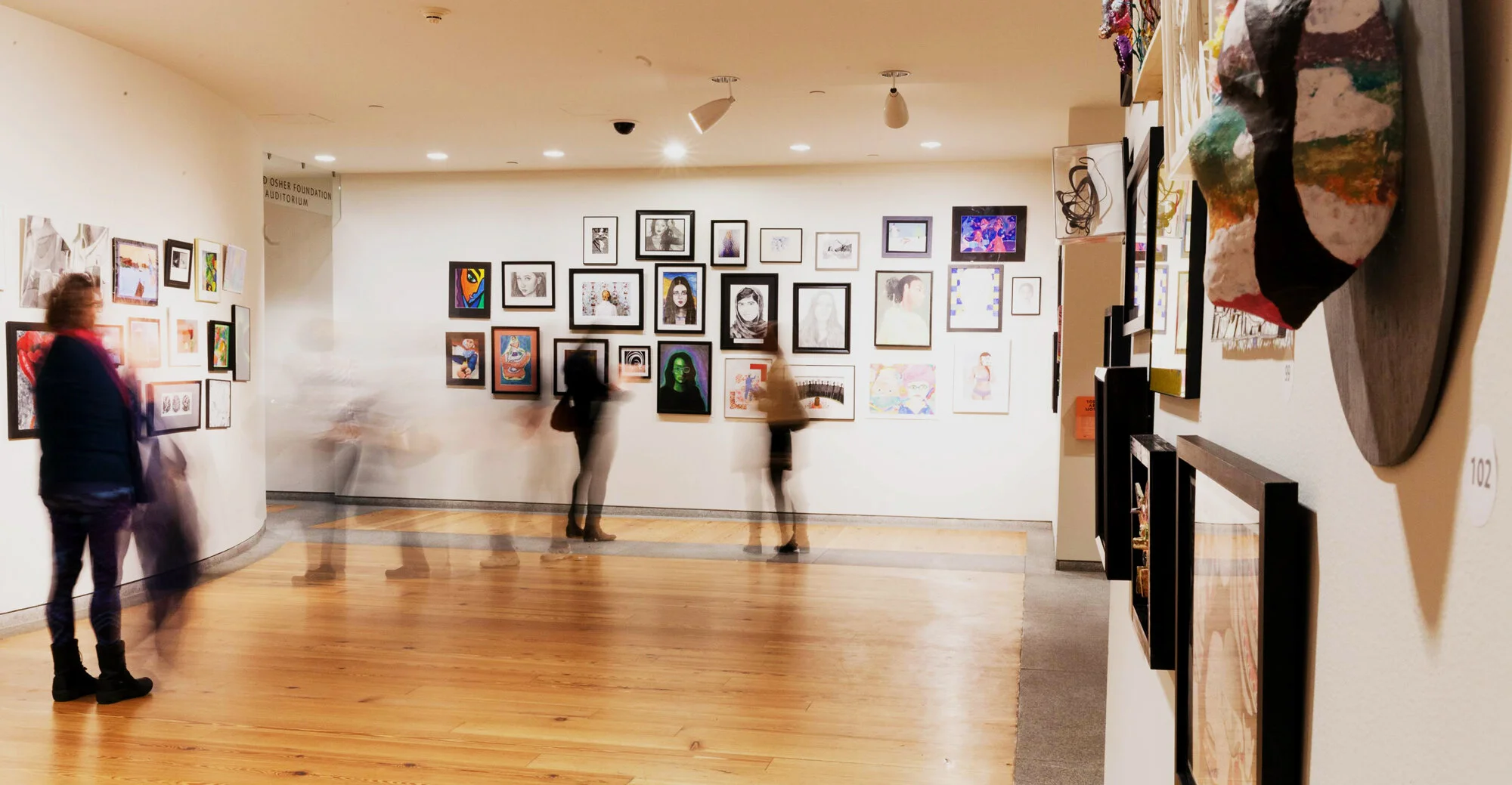
Youth Art Month Exhibition Portland Museum of Art, 2025
Youth Art Month & Advocacy
Each year, Youth Art Month provides opportunities to celebrate student creativity and highlight the role of the arts in education.
Advocacy efforts during this time often center student work and student perspectives, reinforcing the importance of listening to those most directly impacted by educational decisions.
Empowering Students Through the Arts
Arts education naturally encourages expression, reflection, and communication. When students are given platforms to share their experiences, they develop confidence, agency, and civic awareness.
Centering student voice strengthens arts education — and strengthens education as a whole.


0 Comments